
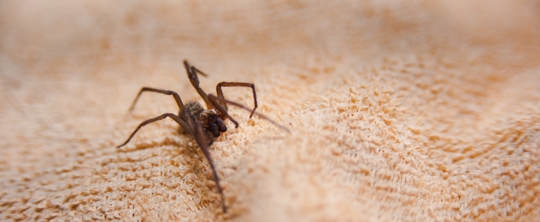
Every fall across the East Bay, homeowners notice the same thing: more spiders. In corners of the garage, behind the water heater, under patio furniture, along baseboards, in closets that haven’t been opened since spring. It’s not your imagination, and it’s not a coincidence - it’s a predictable seasonal pattern driven by spider mating and cooling temperatures that sends dozens of species indoors between September and November.
Most of what comes in is harmless. But the East Bay’s combination of warm summers, open-space borders, and established landscaping creates genuinely higher black widow pressure than most suburban California environments - and that’s worth knowing before you reach under the garden bench without looking
Why Spiders Invade East Bay Homes in Fall
Two things happen simultaneously in September and October that drive spider activity indoors:
Mating season: Fall is when male spiders of many species abandon their webs and begin actively searching for females. This is the wandering phase - males move across large distances relative to their normal territory and frequently end up inside homes through gaps under doors, around window frames, and via any opening that leads from outside to inside. The large, fast-moving spiders people encounter on their bedroom floor in October are almost always males in this dispersal phase.
Temperature and prey driven movement: As nights cool and outdoor prey (flies, gnats, mosquitoes) become less abundant, spiders follow available food sources inside. Garages, basements, and crawlspaces that stay warmer than the exterior become attractive harborage areas. Once inside, spiders that find consistent prey stay and establish webs.
In Walnut Creek specifically, properties bordering Shell Ridge, Lime Ridge, or Acalanes Ridge see higher spider pressure than non-adjacent neighborhoods. Open-space
borders introduce a wider range of species and higher population densities that push into residential areas as temperatures drop.
Spiders You’re Likely to Encounter in the East Bay this Fall
Western black widow (Latrodectus hesperus): The black widow is the spider that matters most from a safety standpoint in the East Bay. They’re more common in the Bay Area than most residents realize - Walnut Creek’s warm summers, dry summer soil conditions, and proximity to open space create ideal habitat. Black widows prefer undisturbed, dry, dark spaces: wood piles, the underside of patio furniture, electrical meter boxes, pool equipment compartments, and low gaps in retaining walls. They’re not aggressive - bites almost always occur when a hand or foot accidentally contacts the spider or disturbs its web. Fall is when female black widows are at their maximum size and web activity is highest. The combination of gloves when handling anything stored outside and a visual check before reaching into dark spaces eliminates most bite risk.
Orb weavers (Argiope and Araneus species): The large, impressive spiders building elaborate spiral webs across garden beds, fence lines, and doorways in late summer and fall are almost always orb weavers. These are completely harmless to humans - they’re beneficial insect predators and a sign of a healthy garden ecosystem. They’re often the spider homeowners are most alarmed by because of their size and visibility, but they pose no risk and don’t need to be treated.
House spiders (Parasteatoda and Achaearanea species): The small brown spiders building messy, irregular webs in corners, window frames, and ceiling edges are common house spiders. They’re harmless and actually reduce indoor insect populations. High numbers inside indicate entry points that could be sealed, but they don’t require chemical treatment unless the population is very high.
Cellar spiders (daddy longlegs): Long-legged, pale spiders in the upper corners of garages and basements. Completely harmless - the myth that they’re among the most venomous spiders in the world is false. Their fangs are not too small to penetrate human skin.
Wolf spiders: Large, fast-moving, ground-dwelling spiders that don’t build webs. Wolf spiders are the species most often seen running across garage floors and along baseboards in fall. They look alarming but are not dangerous to humans. Their venom causes minor localized irritation at most. Males are the wanderers that end up inside during mating season.
When Spiders in Your Home are a Real Problem
For most species, the answer is sealing entry points and reducing the indoor prey population rather than chemical treatment. But there are situations where professional treatment is appropriate:
- Confirmed black widow presence in or around the home, particularly in areas accessible to children or pets
- High web density in a garage, basement, or crawlspace that suggests an established harborage population
- Spider activity that’s clearly increasing rather than a one-time seasonal incursion
- Properties with heavy leaf litter, wood storage, or landscaping debris immediately adjacent to the structure - these create harborage that feeds ongoing pressure
How to Reduce Spider Pressure In and Around Your Home this Fall
The most effective spider control is removing what attracts them: harborage and prey. Before considering treatment, work through this checklist:
- Move firewood, lumber, and stored materials at least 18 inches from the foundation and off the ground on a rack if possible - these are prime black widow habitat
- Clear leaf litter, dense ground cover, and debris from the perimeter of the home, especially in corners and against the foundation
- Seal gaps under doors, around utility penetrations, and along window frames - these are the same entry points that let in ants and rodents, so sealing them has compounding benefit
- Replace exterior lighting with yellow or sodium vapor bulbs, which attract fewer insects and therefore reduce spider prey near entry points
- Vacuum existing webs rather than spraying - removing the web eliminates the egg sac and is more effective than contact spray on a web
Professional spider treatment targets the perimeter, eaves, and foundation with a residual product that reduces both spiders and the insects they feed on. For properties with black widow pressure or heavy harborage conditions, professional perimeter treatment in September - before peak dispersal - is the most effective timing.
We serve homeowners throughout Walnut Creek, Lafayette, Danville, Alamo, Moraga, Concord, and the wider East Bay.
Frequently Asked Questions
How do I know if the spider I found is a black widow?
Western black widows are jet black and shiny, with a rounded abdomen about the size of a large pea. Adult females have a distinctive red hourglass marking on the underside of the abdomen - you won’t see it unless you look at the spider from below. Juveniles and males are lighter colored with spotted or striped patterns. The web is a key identifier: black widow webs are low, irregular, and very strong - they feel stiff compared to the delicate webs of house spiders. If you’re not certain, don’t handle the spider. Take a photo and call us.
Are wolf spiders dangerous?
No. Wolf spiders are fast, large, and startling to encounter, but they are not dangerous to humans. Their venom is not medically significant. They are actually beneficial - they prey on insects including cockroaches, crickets, and flies. If you’re finding wolf spiders regularly inside the home, it usually means there’s an insect prey population sustaining them - addressing the underlying insect activity is more effective than targeting the spiders themselves.
Can spiders come in through air vents or dryer vents?
Yes. Unsealed dryer vents, bath exhaust vents, and crawlspace vents are common entry points for both spiders and the insects they follow. Pest-resistant vent covers with fine mesh are a worthwhile investment, particularly for crawlspace vents in homes with known black widow pressure.
How do I get rid of black widows in my garage?
Start by removing harborage: clear stored items off the floor, move boxes away from walls, and eliminate any undisturbed dark spaces at ground level. Wear gloves for all of this. Then vacuum any webs you can reach. For established black widow populations in a garage or storage area, professional treatment with a targeted residual insecticide applied to corners, wall junctions, and the perimeter is the most reliable approach. Call (925) 204-2455 for a same-day inspection.
Is it worth treating for spiders in fall specifically?
For general spider activity, fall perimeter treatment has the best timing because it targets dispersing adults before they establish harborage inside. For black widows specifically, late summer and early fall treatment - before eggs overwinter in protected harborage - is more effective than spring treatment after the population has already established.
Seeing spiders in and around your East Bay home this fall? Call Mighty Men at (925) 204-2455 for a free inspection. We serve Walnut Creek, Lafayette, Danville, and the wider East Bay.